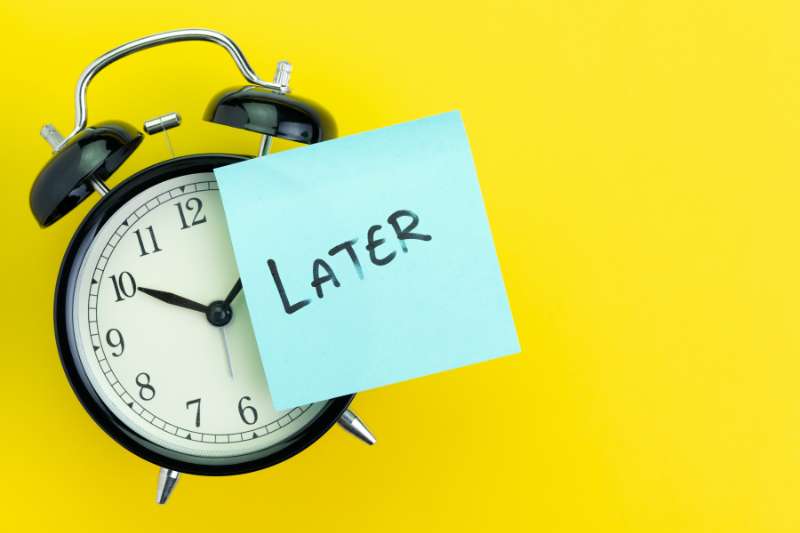
You’re probably procrastinating right now. Maybe you have a deadline looming, an email you’ve been avoiding, or a project that feels too big to start. That’s okay—procrastination affects 80-95% of people at some point, and it doesn’t mean you’re broken. This guide will give you both immediate tactics to get moving in the next ten minutes and the deeper understanding you need to beat procrastination for good.
Start Here: A Quick Answer for When You Need Help Now
If you’re reading this while avoiding something important, here’s what to do right now:
- Set a timer for five minutes and commit to working on one tiny piece of your intended task—not finishing it, just starting
- Pick the smallest possible action: write the first sentence of that 2,000-word essay, open the email you’ve been avoiding, or pull up the overdue utility bill
- Remove one distraction before you begin: close the social media tab, put your phone in another room, or turn off notifications
- Promise yourself a small reward after—a coffee, a short walk, or ten minutes of guilt-free scrolling
That’s it. You don’t need to feel motivated. You don’t need the perfect plan. You just need to act for five minutes.
Most people procrastinate not because they’re lazy but because the task triggers uncomfortable emotions—anxiety, boredom, or self doubt. The rest of this article explains why we procrastinate and how to build lasting habits that make starting easier. But first, get those five minutes done. Then come back.
What Procrastination Really Is (And What It Isn’t)
Procrastination is not laziness, poor time management, or a personality trait you’re stuck with forever. At its core, procrastination is an emotional avoidance strategy—your brain’s attempt to escape negative feelings associated with a task by doing something that feels good right now.
Here’s what distinguishes procrastination from other types of delay:
- Planned delay is strategic: you postpone a non-urgent dentist appointment to focus on a work deadline, knowing you’ll reschedule later
- Procrastination is avoidant: you push off filing your taxes (due April 15th) not because something more important came up, but because thinking about it makes you anxious
- Procrastination often involves substitution: instead of working on the big task, you clean the kitchen, reorganize your desk, or scroll through Instagram—activities that feel productive or pleasant but don’t move you toward your goal
- The key indicator is negative consequences: you know delaying will hurt you (stress, rushed work, missed opportunities), yet you delay anyway
Researchers describe this as “present bias”—our tendency to prioritize how we feel right now over how we’ll feel in the future. When a task triggers stress, fear, or boredom, your brain seeks immediate relief. The report that’s due next week feels abstract; the discomfort of starting feels very real.
This means addressing procrastination requires more than better calendars or to-do lists. It requires understanding and managing the emotions driving the delay.
Why We Procrastinate: The Hidden Emotional Drivers
Before you can stop procrastinating, you need to understand why you do it. The crazy thing is that procrastination rarely happens because you don’t care about the task—it usually happens because you care too much, or the task triggers uncomfortable emotions you’d rather avoid.
Here are the most common emotional drivers behind putting things off:
- Fear of failure: If you delay applying for that promotion, you never have to face rejection. The task stays safely in “someday” territory.
- Fear of judgment: Avoiding sharing a draft report with your manager protects you from criticism—at least for now.
- Perfectionism: You won’t launch your portfolio website until it’s “perfect,” which means you never launch it at all. Research shows fear of making mistakes increases procrastination.
- Self doubt: You question whether you have what it takes, so starting feels pointless. Why begin if you’ll probably fail anyway?
- Overwhelm: The project feels so big that you don’t know where to start, so you don’t start anywhere.
- Boredom or lack of connection: The task feels meaningless, so your brain seeks stimulation elsewhere.
There’s also what researchers call “temporal discounting”—your brain treats future consequences as less real than present feelings. When you put off doing something until a later time, you’re assuming your future self will magically feel more motivated. Spoiler: they usually don’t.
Impulsivity plays a role too. If you’re highly sensitive to immediate rewards—the pull of TikTok notifications, a new message, or a game—delaying important tasks becomes harder. Studies show impulsivity has one of the strongest correlations with procrastination.
None of these drivers make you weak or wrong. They’re understandable human reactions to discomfort. Recognizing them is the first step toward changing the pattern.
Building Awareness: Spotting Your Own Procrastination Patterns
Awareness weakens procrastination. Once you see it as a pattern rather than a random mystery, you can start interrupting it.
- Try keeping a simple “procrastination log” for three days (Monday through Wednesday this week)
- Each time you notice yourself avoiding something, jot down: what you avoided, what you did instead, and how you were feeling (anxious, bored, overwhelmed, unsure)
- Look for patterns: Do you always postpone phone calls? Consistently delay tasks that involve writing? Only start projects the night before deadlines?
- Identify specific triggers: certain apps (Instagram, YouTube), locations (working on your bed vs. at a desk), or times of day (the 3–5 p.m. slump)
- Notice which emotions show up most: fear, boredom, resentment, confusion
This isn’t about judging yourself—it’s about gathering data. The more clearly you see your own procrastination patterns, the more precisely you can address them.

The Emotional Trap: Stress, Health, and the Cost of Putting Things Off
Procrastination feels like relief in the moment. You avoid the uncomfortable task, your anxiety temporarily drops, and you get to do something more enjoyable. But this short-term comfort comes with serious long-term costs.
Research by Tice and Baumeister (1997) found that procrastinators experienced reduced stress early in a semester when deadlines were distant. But as deadlines approached, their stress more than doubled compared to non-procrastinators. They also performed worse, reported lower self-esteem, and experienced more health problems.
Here’s what chronic procrastination can cost you:
- Last-minute rushing floods your body with cortisol and adrenaline—imagine cramming for an exam the night before or finishing a client presentation at 1 a.m. Your brain and body pay the price.
- Chronic stress from constant delay contributes to ongoing anxiety, sleep problems, headaches, and tension in relationships. Repeatedly missing agreed deadlines with colleagues or partners erodes trust.
- Long-term research links persistent stress with higher risk of physical health problems, including elevated blood pressure and cardiovascular issues.
- The emotional toll compounds: ongoing guilt, shame, and negative self talk make it even harder to start tasks next time, creating a vicious cycle.
- Elevated cortisol disrupts memory, focus, and mental health, which means procrastination literally makes future work harder.
Understanding these costs isn’t meant to scare you—it’s meant to show why practicing healthier habits now matters more than waiting for the “perfect” moment that never arrives. Your physical health and mental well-being are worth protecting.
Four Common Myths About Procrastination
Myths about procrastination keep people stuck. Let’s clear them up:
- Myth 1: “I work best under pressure.” While adrenaline can make you feel more focused, studies consistently show that last-minute work is lower quality. That rushed grant application or sloppy code written before a sprint deadline? It’s not your best work—it just feels intense.
- Myth 2: “If I delay, it’s because I’m lazy.” Laziness implies you don’t care. Procrastination usually happens with tasks you do care about—career changes, major assignments, difficult conversations. The driver is emotional overload, not laziness.
- Myth 3: “Using productivity tools alone will fix it.” Planners, apps, and systems help only if you address the emotional factors underneath. Otherwise, they become more things to avoid. The tool isn’t the problem; the avoidance is.
- Myth 4: “Once a procrastinator, always a procrastinator.” This is simply false. Procrastination is a set of habits and emotional responses that can be changed with practice. People who once pulled all-nighters regularly have learned to start projects a week early. The procrastination habit is not your identity.
Science-Backed Strategies to Stop Procrastinating
Now for the practical core: strategies that target both the emotional and behavioral sides of procrastination, not just time management tricks.
You don’t need to implement every technique at once. Pick one or two strategies, test them for one to two weeks, and see what works for your life. The examples below use specific time frames—like blocking 7:00–7:25 p.m. tonight for focused work—because vague plans (“I’ll work on it later”) are procrastination fuel.
Break It Down: Turning Overwhelming Projects into Doable Steps
Large, vague tasks trigger overwhelm. “Write thesis” or “get in shape this year” are not actionable—they’re anxiety generators.
- Convert big projects into small, specific actions with deadlines: instead of “write 10-page report due in two weeks,” try “outline by tomorrow, find 3 sources by Friday, draft introduction Saturday morning”
- Create “micro-steps” that take 10–20 minutes: open the document and write the first messy paragraph, list three bullet points for a presentation, send one networking email
- Set a realistic daily target: 20–40 minutes on one important task is better than aiming for a perfect four-hour work session that never happens
- Use the two minute rule: if a small task takes less than two minutes, do it immediately rather than adding it to your to do list
- Accept that imperfect progress beats waiting for perfect conditions—that ideal block of uninterrupted time rarely arrives
When you break a big task into a small task, you make the first step feel less threatening. And starting is usually the hardest part.
Use Time-Boxing and the Pomodoro Technique
Time-boxing means assigning a fixed time window to a task instead of waiting until you “feel ready” (which may never happen). The Pomodoro Technique is one popular approach:
- Work for 25 minutes with full focus on one task
- Take a 5-minute break (stand up, stretch, grab water—not social media)
- Repeat 3–4 times, then take a longer 15–30 minute break
- Use a physical kitchen timer, your phone timer in airplane mode, or a simple browser-based timer
This works well for tasks like studying a chapter for a exam, writing job applications, or clearing an inbox of 200+ emails. The psychological benefit is significant: committing to just 25 minutes feels far less scary than “finish everything.”
You don’t need motivation to start a 25-minute session. You just need to start the timer.
Design Your Environment to Make Action Easier (and Distraction Harder)
Willpower is limited. Rather than relying on motivation alone, change your environment so the right behavior becomes the path of least resistance.
- Leave your laptop charger only at your desk, not on the couch, so you naturally work in a more focused spot
- If you want to exercise, lay out your gym clothes the night before—removing friction makes starting easier
- Pre-commit to obligations that create “inevitability”: book and prepay for a weekly class, schedule a coworking session with a friend, or arrange a study meetup for a specific date and time
- Temporarily block or move distracting apps off your phone’s home screen during work hours; use website blockers during evening study sessions
- Add friction to distractions: store the TV remote in another room, log out of social accounts before starting work, or leave your phone in a different room entirely
Environment design isn’t about having superhuman discipline—it’s about making the productive choice the easy choice.
Replace Harsh Self-Criticism with Self-Compassion
Here’s a counterintuitive truth: beating yourself up for procrastinating makes procrastination worse. Shame and guilt increase negative emotions, which are exactly what you were trying to escape by avoiding the task in the first place.
Self compassion means talking to yourself like you would talk to a close friend who’s struggling—with understanding, not harsh judgment.
- Self-criticism sounds like: “I’m hopeless. I never finish anything. What’s wrong with me?”
- Self-compassion sounds like: “I struggled today, but I can choose one small step tonight. This is hard, and I’m going to try anyway.”
Research links higher self-compassion with lower procrastination and reduced stress. When you practice self compassion, you break the shame spiral that keeps you stuck.
Try this daily practice: when you notice procrastination, pause. Name how you feel (“I’m anxious and overwhelmed”). Acknowledge that many people feel this way. Then choose one kind, realistic next step. Being self compassionate doesn’t mean letting yourself off the hook—it means treating yourself well enough to keep going.
Harness the Power of Self-Forgiveness
Self-forgiveness means letting go of obsessive guilt over past procrastination while still taking responsibility for doing things differently now.
- Acknowledge what happened without exaggeration: “I delayed studying for my professional certification exam, and I missed the deadline”
- Let yourself feel the disappointment briefly—don’t suppress it, but don’t wallow either
- Plan one concrete behavior change: “I’ll reschedule for the next exam date and study 15 minutes each weekday evening starting this week”
- Use the experience as data, not proof of permanent failure
Self-forgiveness is not pretending the procrastination didn’t matter. It’s refusing to let past mistakes hold your future hostage. Addressing procrastination requires this kind of emotional reset.
Staying Motivated: Turning Occasional Effort into a Sustainable Habit
Stopping procrastination isn’t about rare bursts of willpower—it’s about building consistent habits that make starting feel natural over time.
- Set personally meaningful goals with specific deadlines: “Finish my degree by December 2026,” “Save $5,000 by year-end,” “Complete my portfolio by March”—not vague aims like “be more productive”
- Track small wins daily or weekly: note when you started earlier than usual, finished a task before the deadline, or resisted a distraction
- Connect boring tasks to goals you care about: that tedious report is building a skill for your next promotion; that hard work on your thesis is earning your degree
- Use small, consistent rewards after focused sessions: watch an episode, go for a walk, call a friend—but only after the work, not as a way of wasting time avoiding stress
- Build a new habit by attaching it to an existing routine: “After my morning coffee, I’ll spend 20 minutes on my most important task”
Overcoming procrastination is a gradual process. Most people don’t transform overnight, but each day you start a little earlier, you’re proving the habit can change.
Be Actively Engaged, Not Passively Present
Active engagement reduces procrastination because it makes tasks feel purposeful and manageable instead of like something you’re just enduring.
- During meetings, take notes or prepare one question to ask—don’t just sit with your camera off and email open
- When studying, summarize each chapter in your own words or create flashcards instead of passively rereading
- At the end of each work session, write down your next step so you know exactly where to start tomorrow
- Before each session, set a small engagement goal: “I will write three bullet points of key ideas” or “I will clarify one thing I don’t understand”
- If you feel stuck, ask yourself: “What’s one question I can answer in the next ten minutes?”
Passive behaviors lead to confusion and avoidance later. Active behaviors create momentum and make the next session easier to start.

Putting It All Together: A Simple Plan for the Next 7 Days
Treat the next week as an experiment. You’re not trying to become a perfect productivity machine—you’re testing what helps you respond differently to procrastination.
Here’s a simple framework to follow:
- Pick one important task for the week (e.g., preparing a presentation for next Thursday, organizing your home office by the weekend, drafting the first chapter of your thesis)
- Break it into daily chunks: Day 1 might be outlining, Day 2 gathering materials, Day 3 starting the draft
- Apply at least one strategy each day: Monday could be a Pomodoro session, Tuesday an environment tweak, Wednesday a self-compassion check-in when negative thoughts arise
- Spend five minutes each evening reflecting: What worked? What didn’t? What’s one small adjustment for tomorrow?
- Don’t aim for perfection—aim for progress. Even starting ten to fifteen minutes earlier than you would have is evidence that procrastination is not in control anymore.
Mel Robbins and researchers from Durham University and Carleton University have all emphasized versions of this principle: action precedes motivation, not the other way around. You don’t wait to feel ready. You act, and the feeling follows.
Progress may be uneven. Some days you’ll feel productive; other days you’ll struggle. That’s normal. What matters is that you keep practicing, keep forgiving yourself, and keep choosing to start.
Procrastination isn’t a deeper issue of character or a sign that you’re fundamentally lazy. It’s a pattern—and patterns can be interrupted. Every time you notice the urge to avoid and choose to act anyway, even for two minutes, you’re rewiring your brain’s response.
The point isn’t to never procrastinate again. It’s to catch yourself faster, treat yourself with compassion, and get back to the task that matters. That’s how you beat procrastination—not through willpower alone, but through understanding, strategy, and consistent practice.
Your own procrastination has probably cost you stress, missed opportunities, and plenty of guilt. But it doesn’t have to define your future. Start with one small step today. Set the timer. Write the first sentence. Open the document.
The best time to stop procrastinating was yesterday. The second best time is right now.
Follow ezTaxReturn on Facebook or Instagram for tax tips and real conversations about work, growth, and everything in between.
The articles and content published on this blog are provided for informational purposes only. The information presented is not intended to be, and should not be taken as legal, financial, or professional advice. Readers are advised to seek appropriate professional guidance and conduct their own due diligence before making any decisions based on the information provided.